5 Februari 2026
DISCERN UNS Conducts Storyboard Meeting to Support the Development of Digital Scenario-Based Learning (D-SBL)
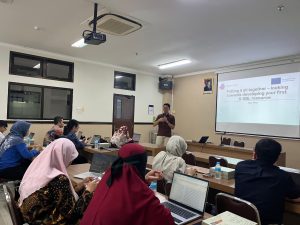
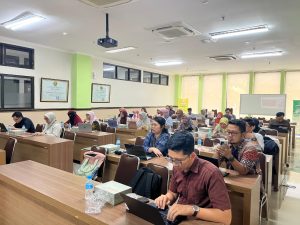
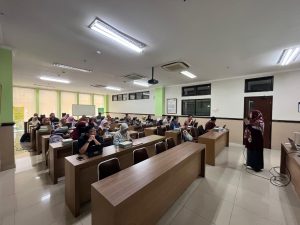
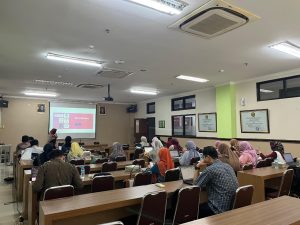
Surakarta, 5 February 2026 – As part of the DISCERN-DSS project, the DISCERN team at Universitas Sebelas Maret (UNS) organized a Train the Trainers: Storyboard Meeting involving 60 lecturers and 8 educational staff members from the Faculty of Medicine, UNS.
The activity was designed to introduce and gather feedback on the Digital Scenario-Based Learning (D-SBL) storyboards developed by the project team. These storyboards serve as a fundamental component in the design of scenario-based digital learning resources aimed at enhancing educational quality and strengthening digital competencies in higher education.
During the meeting, participants were introduced to the structure, learning pathways, and key components of the proposed storyboards. Through interactive discussions, lecturers and educational staff were invited to review the materials and provide constructive feedback, recommendations, and suggestions to improve the relevance and quality of the learning scenarios.
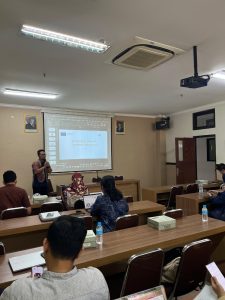
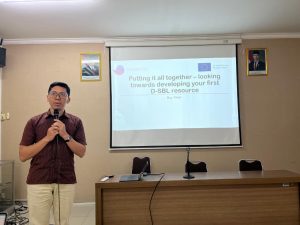
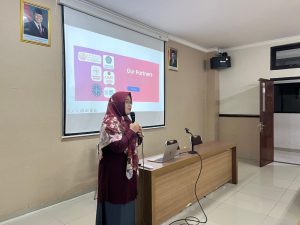
In addition to serving as a consultation and validation forum, the event also functioned as a capacity-building activity. The DISCERN UNS team provided training on the principles, development process, and best practices for creating Digital Scenario-Based Learning storyboards. The training was designed to equip participants with the knowledge and skills required to develop more contextual, interactive, and learner-centered educational experiences.
As part of the practical training session, lecturers were encouraged to apply the concepts they had learned by developing storyboard ideas aligned with the courses or academic blocks under their responsibility. This hands-on approach aimed to foster active engagement among academic staff and support the broader implementation of Digitally Enhanced Scenario-Based Learning within the Faculty of Medicine, UNS.
Through this initiative, DISCERN UNS seeks to strengthen collaboration among educators, enhance institutional capacity for digital learning development, and contribute to the creation of innovative learning resources that address the evolving needs of higher education in the digital era.